Alice S. T. Wong Lab
School of Biological Sciences, The University of Hong Kong
Understanding how ovarian cancer spreads
The Alice S. T. Wong Lab investigates how ovarian cancer cells spread and establish new tumours. We study how cell adhesion and signalling shape cancer cell plasticity, how interactions with surrounding tissues alter metabolism, and how distinct tumour cell populations cooperate during metastasis. Combining molecular and cellular approaches with patient samples and preclinical models, we aim to uncover the mechanisms driving ovarian cancer progression and identify vulnerabilities that could inform future therapeutic strategies.



PUBLICATIONS
Selected Research Highlights
-
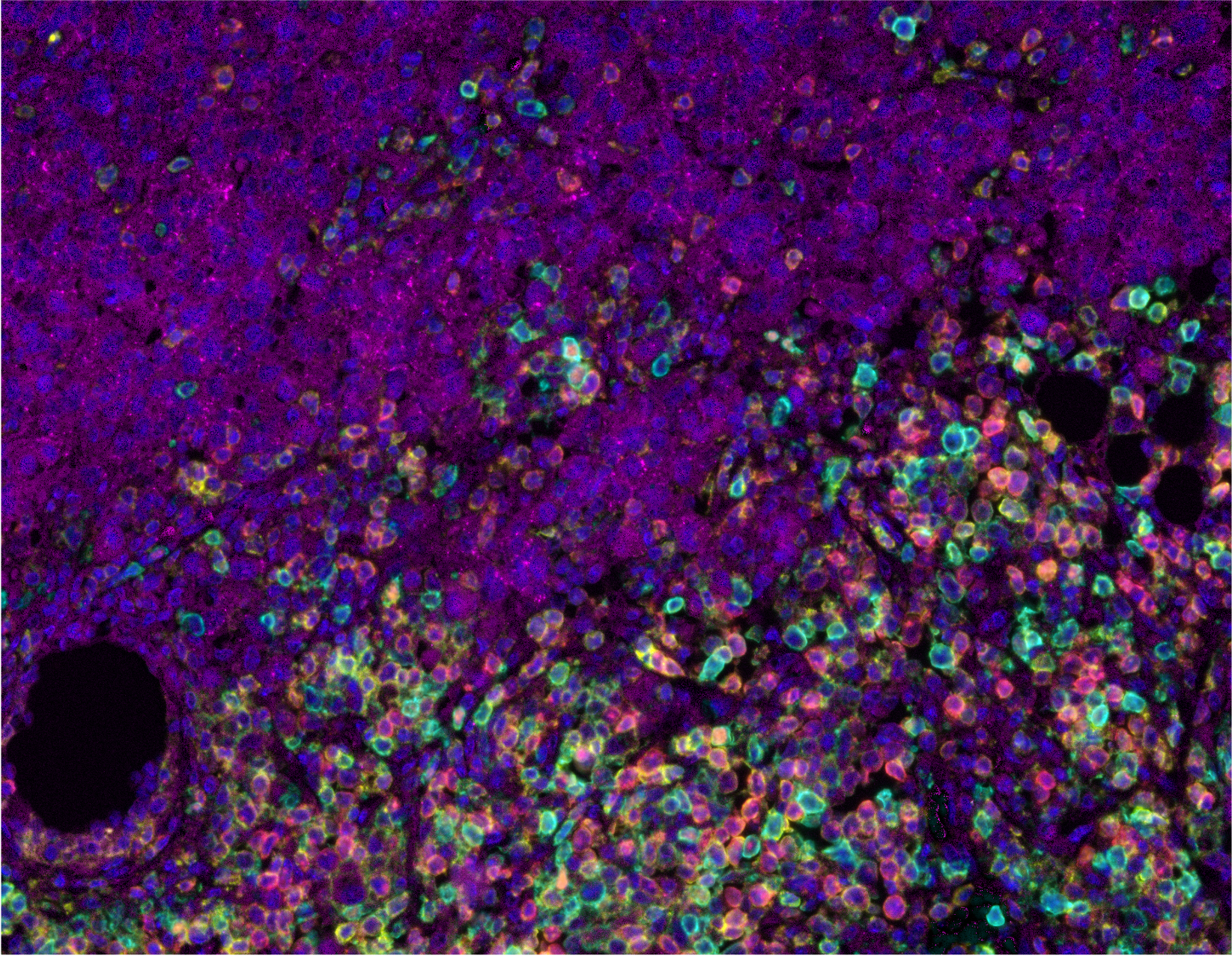
We found that less metastatic, senescence-like ovarian cancer cells can release signals that help more metastatic cells spread. This cooperation is linked to differences in β-catenin/YAP signalling and reveals potential vulnerabilities in preclinical models.
Read the paper: https://doi.org/10.1038/s41419-026-08737-7
-
We identified DNM1 as a regulator of N-cadherin recycling that helps ovarian cancer cells maintain a motile, mesenchymal state. Reducing DNM1 impaired migration and metastatic colonisation in experimental models.
Read the paper: https://doi.org/10.1093/procel/pwaf019
-
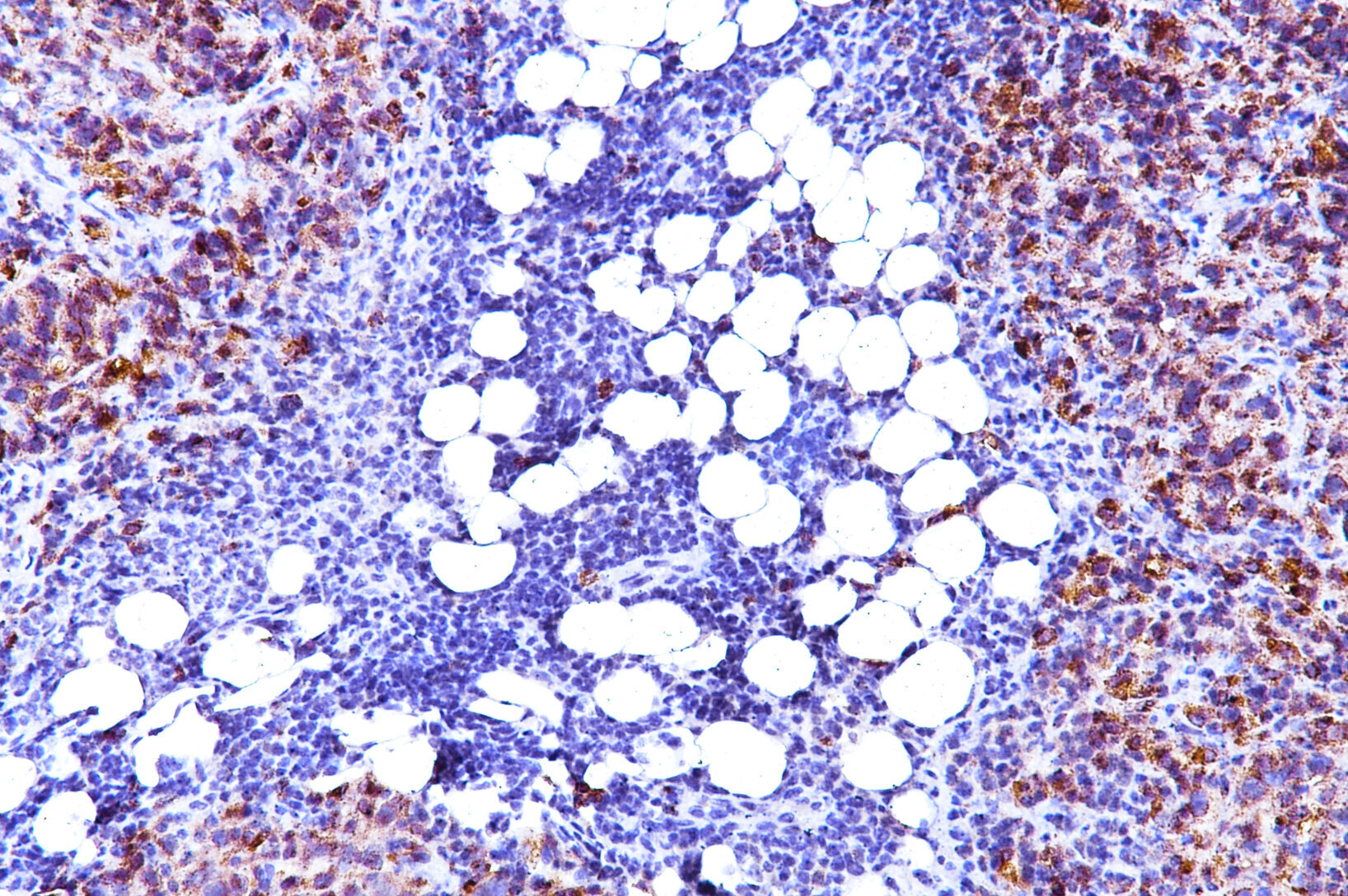
We showed that P-cadherin-mediated contact between ovarian cancer cells and the abdominal lining stimulates lactate production in lining cells. Cancer cells use this lactate to make lipids, supporting metastatic growth.
Read the paper: https://doi.org/10.1016/j.celrep.2024.115096